
Container Homes in the Tropics: Honest Pros and Cons for Panama
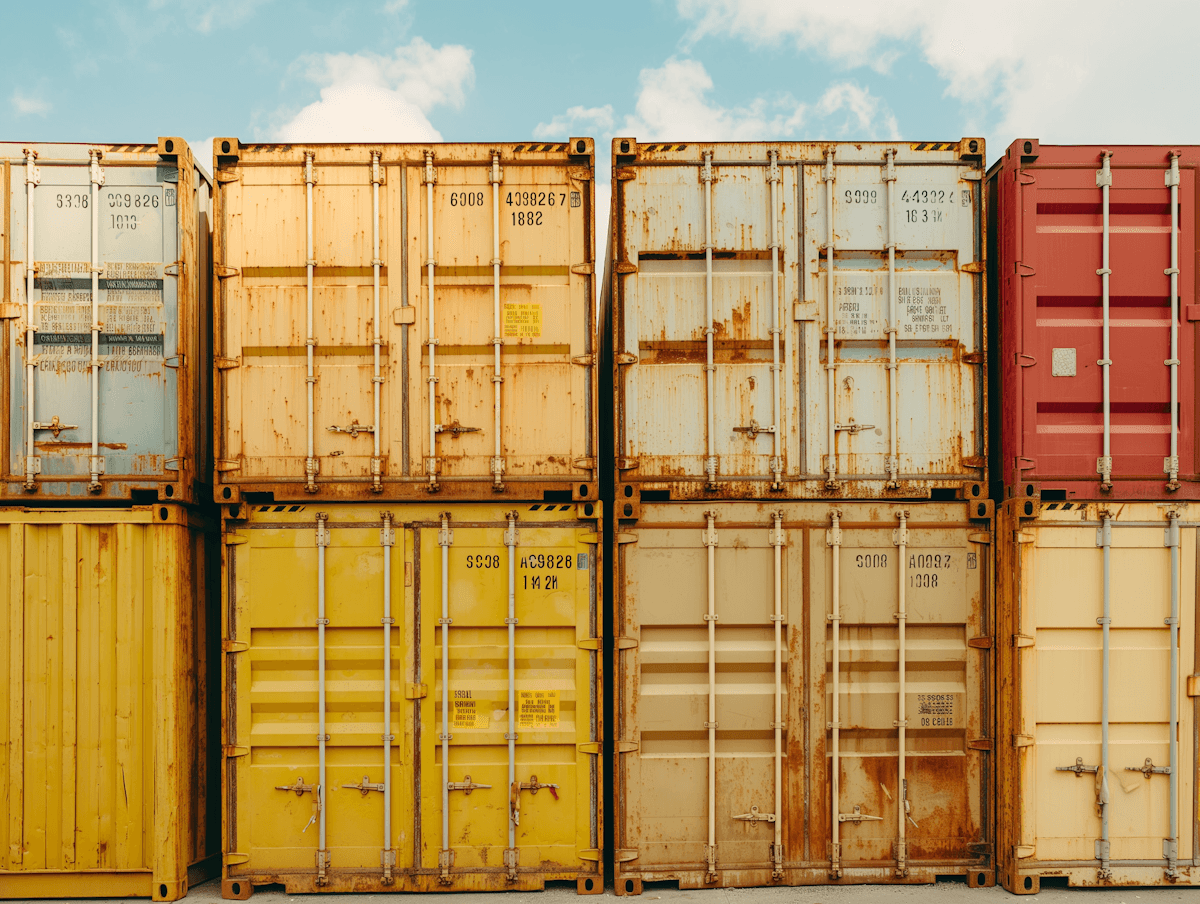
Let's say the thing many sellers won't: an untreated container under the Panama sun is an oven. Full stop. Anyone selling you a container home without talking about heat is selling, not advising.
Now the other half of the truth: the heat problem has known, proven, budgetable solutions. And steel has real advantages in this climate. Here are the pros and cons, no varnish.
Problem number one: heat
Steel conducts heat beautifully. At midday, the roof of an exposed container can pass 50°C. Inside, untreated, it's unlivable.
The fixes, in order of importance:
- Thermal insulation. Spray polyurethane foam on the ceiling and walls is the most effective option. It is not optional — without insulation, your air conditioner fights alone and loses.
- A roof over the roof. A raised zinc canopy above the container creates shade and an air gap that kills the direct sun load. Cheap and very effective.
- Cross ventilation. Windows on opposite walls plus high vents so hot air leaves on its own.
- Orientation. Long sides facing north-south take far less direct sun than east-west.
- Trees and natural shade. The oldest solution in the world still works.
With that package, a container home in Panama stays comfortable on a reasonable AC bill. Without it, it doesn't. Insulation and ventilation options are covered on our modifications page.
Where you build changes everything: beach versus highlands
Panama gives expats two very different versions of "tropical."
On the coast — Coronado, the Azuero beaches, Bocas del Toro — you get year-round heat plus salt air. Here you need the full heat package, AC in the bedrooms, and disciplined rust maintenance.
In the highlands — Boquete and Volcán — evenings drop into sweater territory. Many highland container homes skip AC entirely: good insulation, cross ventilation, and a roof canopy are enough. Salt air isn't a factor, though rain and humidity still are.
Same box, very different budgets. Decide where you're building before you design.
Humidity and condensation: the quiet enemy
Panama runs humid nearly all year, and from roughly May to November the rain barely pauses. Inside a steel box, that moisture condenses on cool surfaces: sweating walls, mold, interior rust.
The recipe is the usual one: insulation with a vapor barrier plus constant ventilation. Passive roof vents, wall louvers, and never sealing the container up like a thermos. A well-ventilated container home has no more humidity trouble than a block house.
Rust: manageable, but real
Corten steel resists weather well — that's what it was made for. But in the tropics, and especially near the coast with salt air, maintenance is non-negotiable:
- Anti-corrosive paint every 3 to 5 years.
- Roof drainage: never let water pool on the roof panels.
- An elevated base: blocks or piers so the floor never sits in ground moisture.
- Immediate touch-ups wherever paint peels or fresh rust appears.
It's the same story as any steel structure at the beach: care for it and it serves for decades; neglect it and you lose it in years. Buying used? Start from sound steel — the container grades guide explains what CW condition actually means.
The advantage almost nobody mentions: no hurricanes
Panama sits outside the Caribbean hurricane belt. And even so, a container home is among the most structurally robust things you can put on a lot — these boxes were engineered to cross oceans stacked nine high. Seasonal downpours, strong wind, a tremor: the steel shrugs it off with margin to spare.
Pros and cons, straight up
| In favor | Against |
|---|---|
| Very strong steel structure | Brutal heat if you skip insulation |
| Speed: the shell arrives finished in a day | Condensation if you skip ventilation |
| Low, predictable shell cost | Rust near the coast without maintenance |
| Termites can't touch it | Needs permits like any construction |
| Easy to expand with more modules | Bad cutting and reinforcing weakens the frame |
| Relocatable if not permanently fixed | Interior finishing is where budgets grow |
When it makes sense — and when it doesn't
It makes sense if you value speed, want a structural shell solved on day one, plan to build in stages, or your land is remote and hauling block materials is expensive. A 40 ft High Cube — the extra foot of height absorbs ceiling insulation without stealing headroom — is the typical starting point.
It makes less sense if you want wide-open floor plans (a container is 2.44 m wide, and every big cut needs reinforcement), if your budget can't cover proper insulation and ventilation, or if you assumed "container home" meant "nearly free home." It doesn't.
On numbers: the shell is the cheap part. Market ranges in Panama put a used 40 ft between $2,750 and $3,200 before 7% ITBMS tax and delivery. What defines the final cost is the finishing — insulation, wiring, plumbing, bathroom, kitchen. The price guide helps you build the full number.
Frequently asked questions
Do container homes get too hot in Panama?
Untreated, yes — steel in direct sun turns the interior into an oven. With foam insulation on ceiling and walls, a roof canopy, cross ventilation, and smart orientation, they stay comfortable on a reasonable AC bill — and in the highlands, often with no AC at all. Heat is the number-one problem, but it's also the best-solved one.
How long does a container home last in a tropical climate?
With basic maintenance — anti-corrosive paint every 3 to 5 years, an elevated base, good roof drainage — you're talking decades: corten steel was engineered for salt air on the open ocean. Without maintenance, especially near the coast, rust shortens that life dramatically. The difference isn't luck; it's care.
Is a container home cheaper than building with block?
It depends what you compare. The structural shell is cheaper and much faster than raising block walls. But finishing — insulation, electrical, plumbing, bathroom, kitchen — costs about the same in either system, and that's where budgets grow. A well-built container home is competitive, not free. Run the full number with the price guide before deciding.