
What Is a 'Nationalized' Container in Panama? (Customs-Cleared, Explained for Buyers)
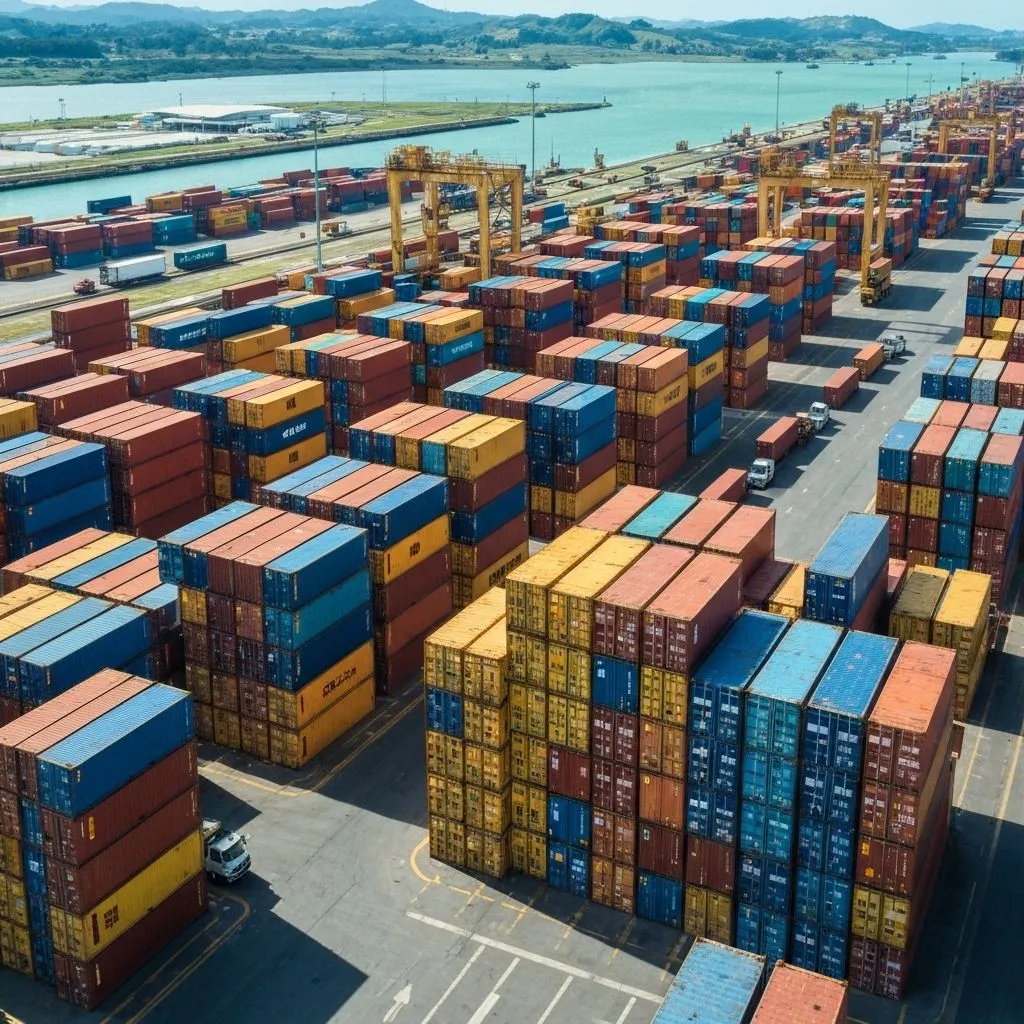
Straight to it. A nationalized container is one that has completed Panama's import process with the Autoridad Nacional de Aduanas (ANA), the national customs authority: an import declaration was filed, import taxes were paid, and the unit is in free circulation inside Panama. It can be used, moved, and resold with nothing pending at customs.
Why should you care? Because Panama's classifieds are full of "deals" on containers that are not nationalized. The price looks great precisely because nobody has paid the taxes yet. Buy one, and that unpaid bill becomes yours.
"Nationalized" is the local term — don't let it throw you
If you're an expat browsing listings, you'll see the Spanish word everywhere: nacionalizado. It has nothing to do with citizenship. It simply means customs-cleared and duty-paid — the container was legally imported and released for domestic use. When a listing says "nacionalizado con factura," that's the phrase you want to see. When a seller dodges the question, that's the phrase you should start asking about.
How nationalization works, in plain words
Nationalization is the process by which ANA clears foreign goods for free circulation inside the country. For a container, it looks like this:
- A licensed customs broker (corredor de aduana) files the import declaration in the SIGA system. This isn't a counter you walk up to yourself — it goes through a licensed broker.
- Import taxes get paid, including the 7% ITBMS.
- A customs service fee (TASA) gets paid: B/.70 for declarations of B/.2,000 CIF or more.
What about the import duty on the container itself? We won't invent a number for you: the exact rate depends on the tariff classification, and that's something you confirm with a customs broker, not a blog.
The practical point: nationalizing costs money and paperwork. That's why an uncleared container always looks cheaper. It's not a discount — it's an unpaid bill.
The "unbeatable price" with a bill attached
A container still inside the international-transport regime cannot legally be sold or kept for domestic use. Full stop. The seller offering it "cheaper because it's not nationalized" is handing you the risk along with the keys.
What risk, exactly?
- Retroactive taxes and charges. If customs flags the unit, the bill arrives with your name on it.
- No valid factura fiscal. You can't formally book the purchase or prove what you paid.
- Resale becomes an uphill fight. The day you want to sell, you have no clean proof of ownership.
- Exposure in inspections. A unit with no papers is a question waiting for an inspector.
| Nationalized | Not nationalized | |
|---|---|---|
| Factura fiscal | Yes, valid | No |
| Legal domestic use | Free circulation | Not permitted |
| Resale | Clean, with papers | Hard to prove ownership |
| Risk | None added | Retroactive charges and inspections |
A legitimate used container in Panama comes with this already handled: the seller bore the customs process and delivers the unit with its paperwork. That cost is baked into the price — as it should be.
The papers to demand from any seller
Doesn't matter if you buy from us or from the competition. Before you pay, ask for:
- A factura fiscal in your name. Not a handwritten receipt, not "I'll sign you a paper."
- Evidence of nationalization. A seller who did the process has the import documentation. A seller who doesn't have it, didn't do it.
- Photos of the exact unit. We say it in every guide, and it applies here too.
If the seller gets uncomfortable with these questions, you have your answer. The full checklist is in our guide to buying a container.
The exception: exporting is a different path
Watch for this one, because it's the inverse confusion. If you're buying the container to take it out of the country — as a SOC (shipper owned container) to ship your own cargo — you do not nationalize it. What you need is different: Cargo Worthy grade and a valid CSC plate, which is what the shipping line will check before accepting the unit on board.
Two separate paths: nationalization for staying in Panama, Cargo Worthy with CSC for leaving Panama. Buying a nationalized container for export doesn't hurt you, but you'd be paying for a process that use doesn't require.
How Containero handles it
Simple: every container we sell for local use in Panama is delivered nationalized, with a factura fiscal. We ran the customs process ourselves; you receive a unit that's ready to use, with papers that hold up the day you decide to resell.
The prices on our customs-cleared containers already reflect that work. Compare them against a "not nationalized" listing and you're not comparing prices — you're comparing a container with papers against a problem with doors. For current market reference ranges, see the container prices guide.
This article is general information, not legal or customs advice. Every case has its details; for yours, consult a licensed customs broker (corredor de aduana).
Frequently asked questions
What does "nationalized" mean when buying a container in Panama? It means the container completed the import process with Panama's customs authority (ANA): a licensed customs broker filed the declaration in the SIGA system and import taxes were paid, including the 7% ITBMS. The unit is then in free circulation — it can be used, moved, and resold inside Panama with nothing pending at customs. In listings you'll see the Spanish term, nacionalizado.
Can I buy a non-nationalized container if it's cheaper? It's not worth it. A container still under the international-transport regime cannot legally be sold for domestic use. Buying one means taking on the risk of retroactive taxes and charges, going without a valid factura fiscal, and having no clean proof of ownership when you try to resell. The "savings" is simply the tax nobody paid, and that bill doesn't disappear.
How much does it cost to nationalize a container in Panama? It depends on the unit. The ITBMS is 7%, the customs service fee (TASA) is B/.70 for declarations of B/.2,000 CIF or more, and the exact duty rate depends on the tariff classification — confirm it with a licensed customs broker. In practice, if you're buying for local use, the right setup is a seller who delivers the container already nationalized, with that cost included in the final price.